
Switching to ecofriendly diapers is one of those parenting choices that surprisingly impacts much more than just your baby’s comfort. From giving a boost to sensitive skin protection to shrinking your household waste pile, there’s a lot tucked into these modern nappies that standard disposables just can’t match.
I’ve spent plenty of time checking out why so many parents are making this switch and digging into what really sets eco nappies apart from the crowd. Here I break down the top 10 benefits of using ecofriendly diapers for babies and for the planet.
1. Kinder on Delicate Baby Skin
Ecofriendly diapers are typically made without harsh chemicals or synthetic fragrances. I like this because it means there are fewer irritants in contact with your baby’s skin that can bring about rashes or irritation.
Many options use natural fibers like bamboo or organic cotton, which are soft, breathable, and gentle. For babies with easily irritated skin, this can make a massive difference compared to some regular disposables.
These materials also help with airflow, reducing the chance of heat rash during warmer months, making eco diapers ideal year-round.
2. Major Reduction in Landfill Waste
Traditional disposable diapers don’t break down easily; some studies even suggest they might stick around for hundreds of years. Eco nappies focus on biodegradable and compostable materials.
These break down much faster, so using them really cuts down the amount of waste ending up in landfill. From my own experience, my trash output shrinks just by swapping these out regularly. Even if your city doesn’t offer composting services, these diapers degrade faster wherever they end up, which benefits local landfills and the environment overall.
3. Smaller Environmental Footprint
From start to finish, ecofriendly diapers are crafted with the environment in mind. Sustainable manufacturing, renewable energy use, and responsible sourcing of materials all come into play.
Using these diapers is a simple way to cut down on the pollution and resource depletion linked to conventional diaper production. The production of eco nappies often creates fewer carbon emissions, and manufacturers strive to limit water and energy use. In this way, every eco diaper you use is a vote for the planet’s wellbeing.
4. Better Ingredient Transparency
A lot of eco diaper brands are up front about what goes into each nappy—they frequently provide clear lists of materials and explain exactly what is (and isn’t) inside.
I always appreciate this level of clarity, since it makes it easier to feel good about the choice you make for your baby. Transparency helps parents avoid potential allergens or irritants, and it often encourages big brands to step up their ingredient game as well.
5. Less Harmful Chemicals
Standard diapers often use chemicals like chlorine bleach, dyes, and synthetic scents. Eco options don’t rely on these during production. Many skip the use of chlorine, phthalates, parabens, latex, and perfumes altogether.
For families aiming for a low-toxin lifestyle, this is a major plus. Plus, avoiding harmful chemicals keeps waterways cleaner, as these substances don’t get washed out during disposal or manufacturing.
6. Comfort and Breathability
Bamboo and plantbased fibers used in ecofriendly diapers naturally allow for good airflow. This improves breathability, keeping your little one drier and more comfortable, especially on warm days or during long stretches of sleep. This can reduce incidents of diaper rash or chafing, giving your baby a happier experience all day.
7. Support for Ethical Practices
Many eco diaper brands focus on more than just the product—they stand behind fair labor practices and ethical sourcing. I always look for certifications or statements about workplace standards, as it adds peace of mind that your purchase helps out beyond just changing a baby.
Supporting ethical brands can make you feel good about participate in a larger, positive movement for workers and the planet alike.
8. Compostability and Easy Disposal
Some ecofriendly nappies are fully compostable. As long as you follow the right composting method (and local guidelines for human waste disposal), these diapers break down and even help return nutrients to the soil.
It’s really worth checking which brands are suitable for home composting versus industrial composting, though. If your community doesn’t offer composting, some eco brands provide mail-in composting programs to smooth the way for parents who want to go the extra mile.
9. Lower Risk of Allergies
With fewer heavy-duty chemicals and more natural fibers, eco diapers are less likely to bring up allergic reactions. Babies with sensitive skin often benefit from these gentle materials. Plantbased options can be especially good for families with a history of allergies or eczema, making diaper changes much less stressful for everyone involved.
10. Paving the Way for a Greener Future
Every eco diaper change is a small push toward a cleaner planet. Even if you’re not using eco diapers 100% of the time, every bit helps normalize sustainable choices and encourages bigger brands to cook up something new too.
It’s an easy and affordable way to teach eco responsibility right from the start. Over time, little changes add up and contribute to a world your children and their generation can enjoy.
What Are Ecofriendly Diapers Made Of?
Eco nappies are crafted using plantbased and biodegradable materials whenever possible. The most common are bamboo, organic cotton, wood pulp, corn-derived bioplastics, or sustainable cellulose. The outer layers are sometimes made of biobased films rather than petroleum plastics.
The absorbent core usually relies on TCF (totally chlorinefree) wood pulp or similar nontoxic absorbents, skipping the harsh bleaching chemicals used in standard diapers.
Glue and elastic in ecofriendly diapers are often made with safer alternatives or reduced wherever possible. Brands often show their material sources on packaging or websites, so you can check these details before purchasing. It’s also wise to track down brands using waterbased inks for prints, which further lessens environmental strain.
What Are the Most Ecofriendly Diapers?
The most eco friendly diapers balance plantbased content, compostability, lowimpact manufacturing, and avoidance of harmful chemicals. The top picks often list clear environmental certifications like FSC (Forest Stewardship Council), TCF, or even BPI (for compostability in some cases).
I look for brands that use a high percentage of biodegradable material in both their core and outer layers, avoid lotions and fragrances, and openly share details about their supply chain. An extra bonus goes to brands that run on renewable energy in their facilities or offset their emissions.
The standout eco options are either homecompostable or at least suitable for industrial composting. These choices do a stellar job minimizing both resource use and overall waste, and some even partner with companies or municipalities to make proper disposal even easier for parents.
Top Rated Eco Nappy Brands
There are plenty of eco diaper brands now, so I’ve pulled together a short list of popular choices with top reviews, transparency, and strong performance:
- Ecoriginals – Biodegradable, homecompostable layers, and super gentle on skin.
- Bambo Nature – Soft, absorbent, TCFcertified, and made with responsibly harvested wood pulp.
- Andy Pandy – Bamboo diapers, very breathable, and free of chlorine, phthalates, and parabens.
- Dyper – Made from bamboo, extra soft, and composting service available in select regions.
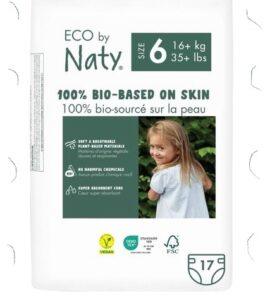
- Eco by Naty – Plantbased backing sheet and certified biobased core, with no oilbased plastics touching baby’s skin.
- Honest Company Diapers – Partly plantbased, fragrance-free, and sold widely.
- Little Toes – Bamboolined, no harsh chemicals, compostable elements for easy disposal.
- Mum & You – Biodegradable core, vegan, and produced in a wind-powered facility.
- Seventh Generation – FSCcertified, crafted with soft, plantderived materials, minus fragrances or lotions.
- Poof Diapers – High plant content, some compostable models, and no unnecessary additives.
The Best Eco Nappies: What to Look For
If you’re looking for the best eco nappies, keep these in mind:
- High percent of biodegradable and plantbased ingredients
- Certifications like FSC, TCF, or BPI
- No perfumes, chlorine, or latex
- Responsibly sourced materials and ethical manufacturing
- Clear disposal or composting info
No nappy is absolutely perfect, but these qualities go a long way toward reducing your impact while giving your baby a comfortable, gentle fit. Don’t forget to think about packaging as well; recycled and recyclable packaging is an added benefit for truly sustainable diapering.
Common Questions About Ecofriendly Diapers
I get asked pretty often about the switch, so here are some quick answers to help out:
Are ecofriendly diapers more expensive?
Some eco brands cost a bit more than standard disposables, but many parents feel the health and environmental benefits are worth it. Subscriptions and buying in bulk can also lower the cost per diaper.
How do I dispose of eco diapers?
Homecompostable diapers go into a dedicated compost (with careful separation for human waste, based on local guidelines). For others, check for community or company composting programs. If composting isn’t available, even standard landfill disposal is lighter on the environment due to the higher natural content compared to typical disposables.
Can I use cloth and eco disposables together?
Definitely. Many families mix and match based on what’s practical. Eco disposables are especially handy for travel, overnight, or childcare, when cloth nappies may not be as convenient.
What if my baby reacts to eco diapers?
While rare, some babies can still react to natural fibers or specific plant-based ingredients. Always do a patch test with a new brand before fully committing and consider ingredients you’d like to avoid if you know of particular sensitivities in your family.
Final Thoughts
Ecofriendly diapers deliver a host of benefits, from giving babies a more comfortable fit to helping parents cut back on environmental impact every day. With more brands joining the trend, it’s easier than ever to find options that fit your family’s lifestyle and budget.
Always read the label and do some research before you buy to be certain of what you’re getting. Making even a partial switch can have a major effect—on your household waste and on the world where your little one will grow up. Every ecofriendly diaper you use is one step toward a cleaner, healthier planet.
Have a great day!