

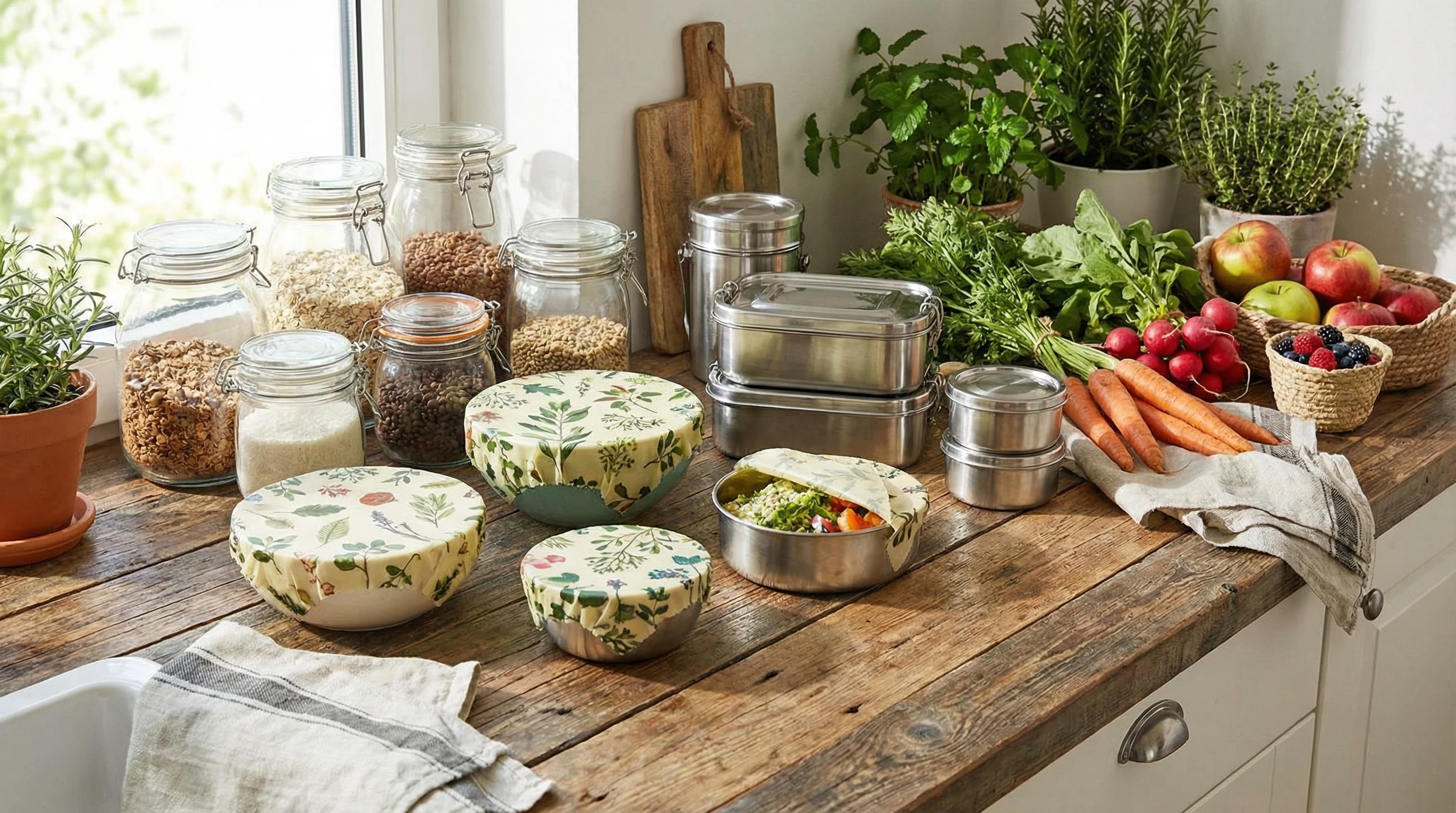
Eco friendly food storage is spreading fast as more people try to cut down on waste and avoid plastics in the kitchen. Switching to greener options is a pretty simple way to make daily routines a bit more sustainable. From beeswax wraps to sturdy glass jars, there are plenty of good food storage alternatives out there that protect both your food and the planet.
Why Eco Friendly Food Storage Matters
Traditional food storage methods, especially single use plastics, can stick around for ages in landfills, polluting nature and affecting wildlife.
When I started looking for greener solutions, it wasn’t just about the environment; it was about keeping my food fresher for longer and avoiding materials that could leach unwanted chemicals. These swaps can make a really big difference, both for your health and for the world around you.
Eco friendly food storage isn’t only about ditching plastic. It’s about picking materials that last, can be reused over and over, or break down naturally at the end of their life. Plus, a lot of these products just look better and help organize the kitchen more efficiently.
A study by the Natural Resources Defense Council even showed that smarter food storage can curb food waste significantly, so it’s worth digging into. If you take the extra step to minimize kitchen waste, you can help cut pollution and save money at the same time.
Many families notice that proper storage helps foods last days longer, from crisp vegetables to leftover meals. Over a month, those small changes really add up, and you’ll easily spot the savings and difference in trash output.
Types of Eco Friendly Food Storage Solutions
There are tons of options out there designed for nearly every type of food. Some options work better for snacks, while others are made for meal prep and storing leftovers. Here are some top picks that I keep reaching for:
- Beeswax Wraps: These are a simple swap for plastic wrap. Made from cotton infused with beeswax, tree resin, and jojoba oil, they’re easily molded around bowls or foods using the warmth of your hands.
- Glass Containers: Airtight, dishwasher safe, and see through, glass containers make it easy to store leftovers or prepped ingredients. They’re durable and never absorb stains or smells.
- Silicone Food Bags: Reusable silicone bags are a flexible substitute for single use sandwich bags. They’re freezer, dishwasher, and microwave safe, making them convenient for meal prep or snack storage.
- Stainless Steel Containers: Stackable and rust resistant, these containers are popular for lunches and bulk storage. They don’t break if you drop them and work well for both dry and wet foods.
- Cloth Produce Bags: I use these lightweight mesh or cotton bags whenever shopping for fruits and veggies. They help cut out the need for plastic produce bags in stores.
Some families also use compostable paper bags for storing bakery items or bulk pantry refills as a short term option. While not endlessly reusable, they’re a step up compared to plastic sandwich bags and break down quickly in compost.
If you do a lot of baking, cloth bread bags keep loaves fresh without trapping moisture. For picnics and lunches, many love bento style stainless containers because they’re super practical and kid friendly. Just remember to check for food grade certifications before picking new containers or wraps.
Smart Tips for Green Food Storage
Getting the most out of eco friendly storage isn’t just about shopping for a new set of containers. Making food last longer and reducing waste depends a lot on how you store things too. Here are some practical tips I’ve picked up:
- Let food cool before storing: Putting hot food directly into any airtight container can lead to condensation, which speeds up spoilage.
- Keep an eye on measurements: Choose the right size container to avoid wasted space, because excess air can lead to food going stale or freezer burn.
- Label and date leftovers: This makes it way easier to eat things before they forget about them (and go bad in the back of your fridge).
- Use containers with tight fitting lids: This helps preserve freshness and prevents spills, especially when storing soups and sauces.
- Rotate older items to the front: Making sure you finish food that’s been stored the longest keeps things fresher and reduces waste.
One thing that helped me cut down on waste was to create an “eat soon” area in the fridge—anything nearing its peak or leftovers that need to get used up go there. Even just putting a small label with the date can help keep food front of mind when you’re hungry or meal planning.
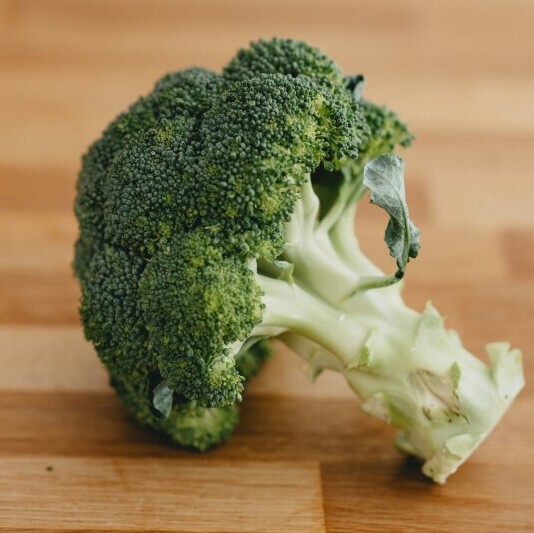 Whenever possible, store produce unwashed until you’re ready to eat it; a quick rinse and dry before storage helps veggies last longer (except for root veggies, which prefer to be left unwashed and in a pantry or paper bag). For leafy greens, wrapping them in a slightly damp cloth before popping them into a container makes a huge difference.
Common Challenges and How to Tackle Them
Going green in the kitchen is an adventure, and there can be a few hiccups along the way. Here are some things I ran into and how I handled them:
- Beeswax Wraps and Heat: Beeswax wraps can melt if you put them on hot foods or wash them in hot water. I only use them on room temperature or cold items and hand wash with cool water and mild soap.
- Glass Containers Are Heavy: Glass is awesome for at home storage, but it’s a bit bulky to tote around every day. For lunches or snacks on the go, lightweight stainless steel or silicone works better for me.
- Silicone Bags Need Drying: Sometimes, silicone bags can trap moisture inside after washing. I prop them open with a wooden spoon or roll up a cloth napkin to keep them open while drying.
- Finding the Right Fit: With so many options, figuring out what you need is key. I started with one beeswax wrap, a couple glass jars, and a set of silicone bags, and built up as I saw what fit my kitchen routine best.
Keeping Food Fresh Without Waste
Learning to store food properly is super important for getting the most out of eco friendly containers. For leafy greens, I wrap them in a damp cloth before placing them in a container or produce bag.
Bread stays soft in cloth bags, and leftovers in airtight glass or steel stay fresh longer in the fridge or freezer. Try using cloth napkins to separate cut fruits or veggies in containers if you don’t want them to get soggy before lunchtime. For freezing, remove as much air as possible from silicone bags or containers to prevent ice crystals and freezer burn.
Cleanliness Counts
Reusable containers don’t just need a quick rinse; a thorough wash, and sometimes a sterilization with a little vinegar or baking soda, keeps them safe for the next use. Make sure everything is dry before stacking or sealing to avoid mold or odors. If odors do develop, leaving a little baking soda inside overnight helps get rid of stubborn smells.
And don’t forget to occasionally double check for any chips or cracks on glass containers for safety. Regular maintenance gives these eco friendly items a much longer lifespan.
Eco Friendly Storage FAQs
Everyone’s kitchen needs are a bit different, but these are the questions I get asked the most about eco friendly food storage.
What is the most eco friendly way to store food?
The most eco friendly way to store food is to use containers that are reusable and made of materials that last a long time, like glass, stainless steel, or food grade silicone.
Compostable wraps like beeswax also work great for things like bread and veggies. Combining these storage methods with good food rotation to prevent waste is the real game changer. Some people even reuse glass jam or pasta sauce jars for zero waste storage, which saves money and resources.
What is the best substitute for plastic food storage?
The best substitutes depend on what you’re storing. For dry goods, glass jars or metal tins work well. For packed lunches or produce, silicone bags and cloth pouches are hard to beat.
Beeswax wraps are handy for covering leftovers or wrapping cut fruits and sandwiches. Metal lunch boxes have also gotten more popular lately—great for school or work and nearly indestructible, which means less waste over time.
What is the most environmentally friendly container?
Glass jars and stainless steel containers are generally considered the most environmentally friendly because they can be reused almost endlessly and don’t leach chemicals into food.
Both are recyclable at the end of their lifespan. Silicone is another good choice, especially for freezer or liquid storage, since it holds up well and doesn’t easily break. For some, ceramic containers also work, but they’re less common for transport and bulk storage.
What is the healthiest container to store food in?
Glass containers come out on top for health because they’re nonreactive and don’t absorb odors or flavors. Stainless steel is also a solid option; it doesn’t stain or hold onto food smells and is safe for nearly all foods.
Look for containers without any plastic lining or coating for the healthiest experience. Silicone bags labeled “food grade” are also a good fit, especially for freezing or heating up food. Always double check labels for BPA free status, even on items labeled as eco friendly.
Picking Eco Friendly Storage for Your Lifestyle
No one needs to toss out all their plastic containers at once. I started my own swap by replacing old or broken pieces as they wore out. Swapping in one or two new containers at a time keeps things affordable and helps you figure out just what you actually need.
For those who do a lot of meal prep, having a mix of large glass containers for fridge and freezer, silicone bags for snacks, and stainless steel options for onthego works well. Bento style boxes can be fun for kids—they keep lunches separate and make eating fresh meals easy.
If you love cooking in batches or prepping meals ahead, try storing chopped veggies in clear glass jars and using stackable stainless containers for leftovers. This makes it simple to see what you have, which helps curb food waste. For anyone who buys in bulk, reusable cloth sacks make refilling grains, nuts, and dried fruits straightforward at the store.
Where to Track Down These Solutions
You can find eco friendly storage locally at grocery stores with a green focus, or online through retailers that specialize in sustainable living products. Some popular brands to check out include Stasher (for silicone bags), Bee’s Wrap (beeswax wraps), and UKonserve (stainless steel containers).
Even big box stores now offer affordable glass container sets for leftovers and bulk foods. Farmer’s markets sometimes carry handmade wraps or cloth bags, which is a fun way to support local makers while upgrading your kitchen.
Swapping single use plastics for greener alternatives is a simple, feel good upgrade that can save money, reduce waste, and keep your food tasting better. With a few tweaks, everyone’s kitchen can be fresher and friendlier to the environment. Time to roll: pick your favorite eco friendly container and start making small changes that add up for you and the planet.
Thats it for now peeps!